

Aerosol contract manufacturing
This is the broadest term. It usually means a partner is involved in more than just filling cans, they may help with formulation, sourcing components, regulatory compliance, and production, start to finish. If your product still needs development work, or you want a partner who can support the whole process, this is the term to search for.
Contract aerosol filling (also called toll filling)
This is the most specific of the three, and it's also known as toll filling in the industry. It means the brand brings a validated formula and their own packaging (cans, valves, actuators, whatever's already specified), and the manufacturer just runs it: filling, gassing, crimping, labeling, and packout. Because the brand is supplying the formula and components, the manufacturer charges a fill fee rather than pricing out formulation or packaging development. If you already have a finished formula, approved packaging, and just need production capacity, this is the exact service you're looking for, and it's the fastest, most straightforward path to production.
Aerosol contract packaging
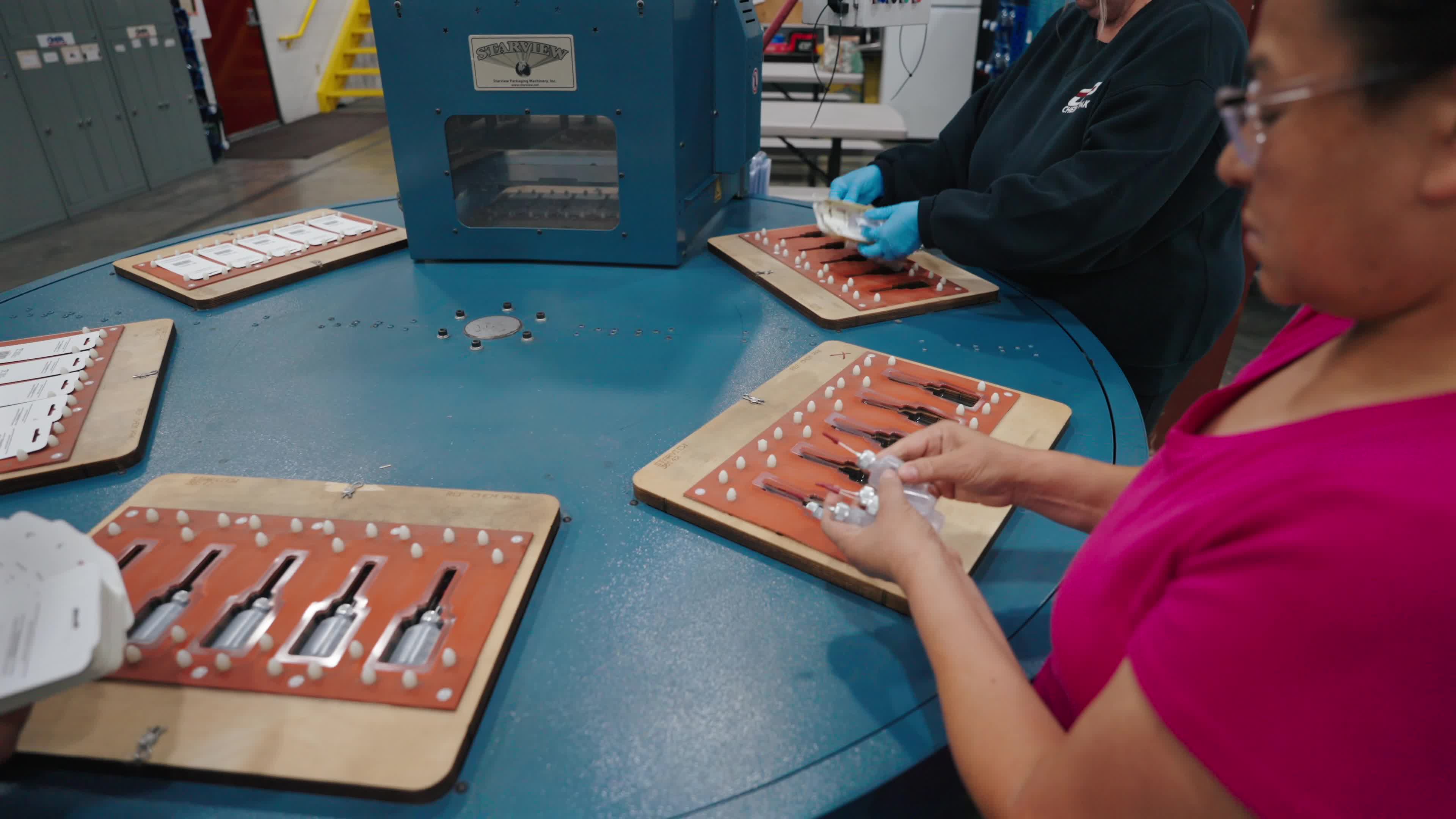
This is a separate, downstream step, not another word for filling. Contract packaging means preparing an already-filled product for sale or shipment: labeling, shrink sleeving, blister or clamshell packaging, cartoning, multipacks and kits, lot and date coding, and case packing or palletizing. A company can use contract packaging services even if the product itself was filled somewhere else entirely. If you need help getting a finished, filled product retail-ready or shipment-ready, this is the term that describes that work.
How these services work together
In practice, most projects don't need just one of these. A few common combinations:
This overlap is exactly why the terms get used loosely. Most companies searching for one of these are open to a partner who handles any (or all) of them.
Why working with one partner matters
Coordinating separate vendors for manufacturing, filling, and packaging adds complexity: more freight, more scheduling handoffs, more places for something to slip. A single partner who handles the full range gives you one point of contact, consistent quality systems, and fewer opportunities for delay between steps.
At Chem-Pak, we handle the full range, whether you're bringing us a finished formula ready to run, still working out the details, or looking for a private label product to launch under your own brand. Here's where to start based on where you are.
Not sure where you fit? Start here:
Not sure which fits? Explore the full Launch Path to see how the process works from first conversation to shipped product.
FAQ
What's the difference between contract manufacturing and contract packaging?
Contract manufacturing usually includes formulation and production support. Contract packaging is a downstream step, preparing an already-filled product for sale or shipment, and can be used even if the product was filled elsewhere.
Is contract aerosol filling the same as toll filling?
Yes. Toll filling is the industry term for contract aerosol filling: the brand supplies the formula and packaging, and the manufacturer charges a fill fee to run production.
Does Chem-Pak handle formulation, or just filling?
Both. We work with brands that come in with a ready-to-run formula and with brands that need help developing one.
What products can be filled through aerosol contract filling?
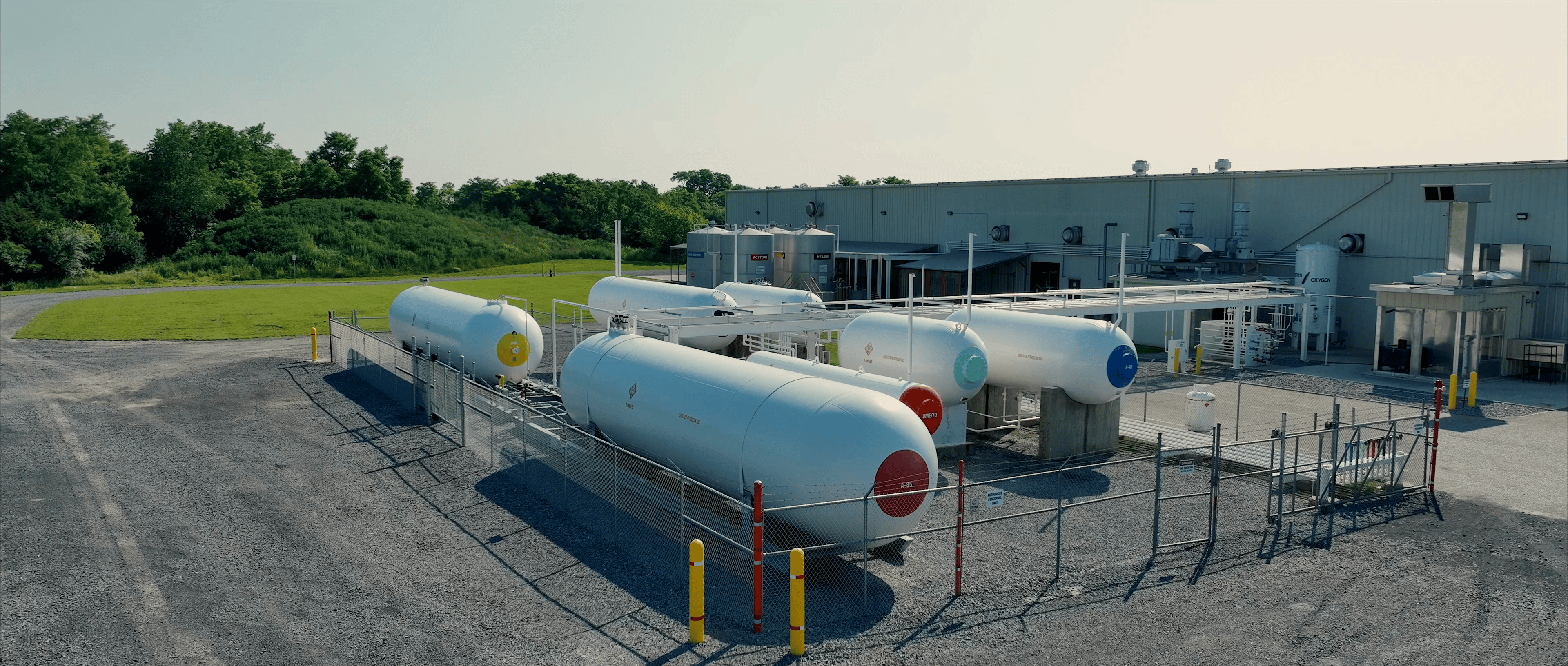
Chem-Pak's aerosol lines support a range of propellant systems (hydrocarbon, CO₂, nitrogen) and can sizes for industrial, automotive, and consumer products.