

At its core, toll filling is a manufacturing execution model. You bring a fully developed product. The toll filler runs it.
More specifically: the customer owns and defines everything. The validated formula, the raw material specifications, the packaging components (can, valve, actuator, label), and the product performance requirements. Chem-Pak's role is to execute to that spec with precision and consistency. Design decisions, formulation choices, packaging selections: those belong to the customer. The toll filler's expertise is in running the product right, every time.
The "toll" in toll filling simply refers to the fee charged for that filling service.
Raw material responsibility can vary depending on the arrangement. In some cases, the customer supplies all materials directly. In others, Chem-Pak procures materials on the customer's behalf, but always to a defined, customer-approved specification. The logistics of procurement may shift, but design authority never does.
This is where a lot of brands get confused, and it's worth taking a moment to be clear.
Toll filling is a specific type of contract manufacturing focused strictly on execution. You arrive with a fully specified, production-ready product, and the manufacturer fills it to your exact requirements. There's no formula development, no packaging consultation, no regulatory navigation. Those decisions have already been made.
Contract packaging is a broader term. Depending on the partner and the engagement, it can include sourcing support, packaging selection, regulatory guidance, formula development, and full commercialization support from concept to shelf. It's a wider spectrum of services designed for brands that need more than execution.
The practical test is simple: if your product isn't fully specified yet, toll filling isn't the right starting point. It just means you need a different starting place, and there are good options for that too.
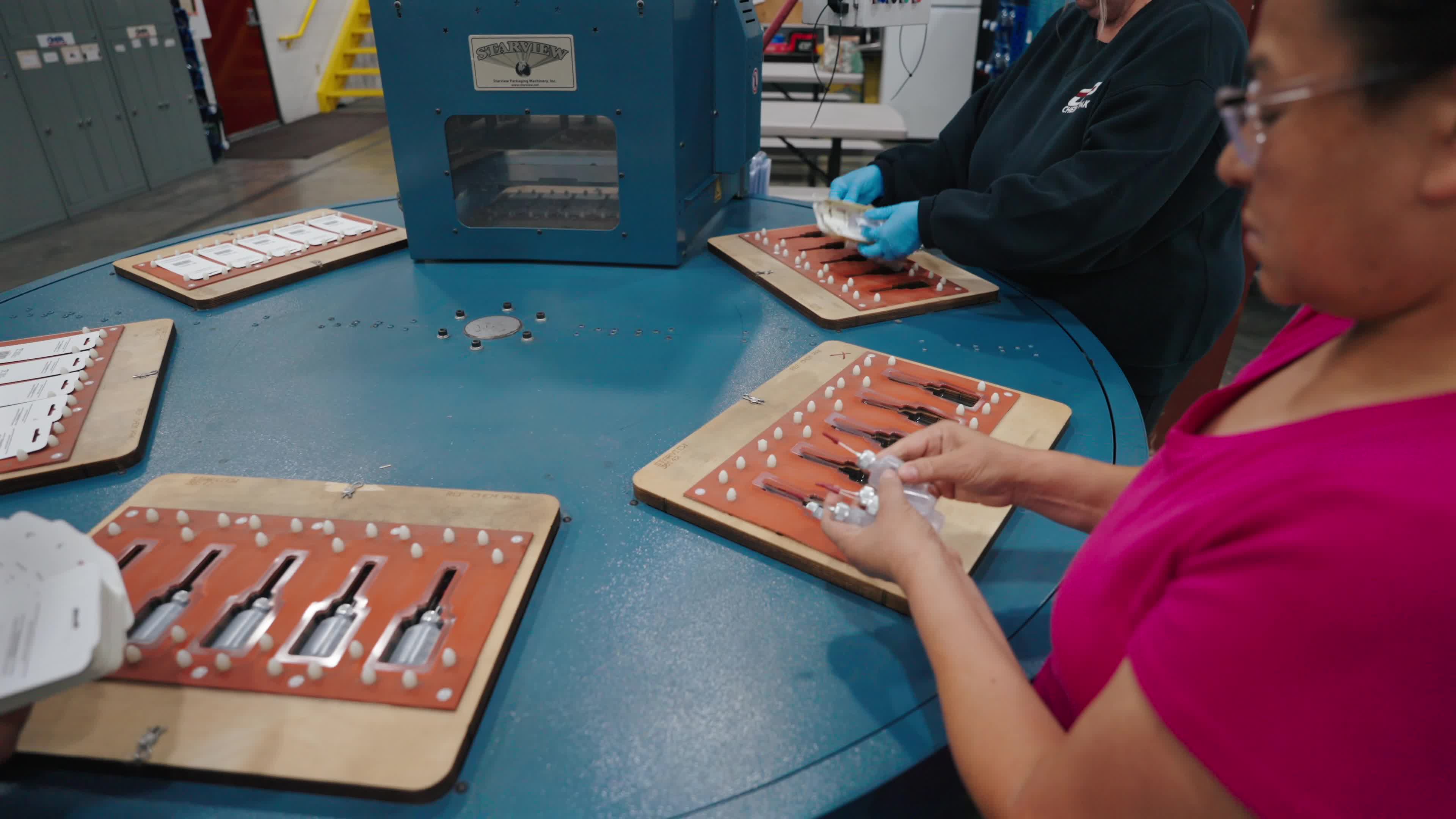
Once a validated formula, raw material specs, and packaging requirements are in hand, the process follows a consistent sequence. We review the formula for compatibility with our lines and run trials before the first commercial run. Once validated, production begins: filling, gassing, crimping, labeling, and packout. Finished goods are either warehoused or shipped directly to your distribution points.
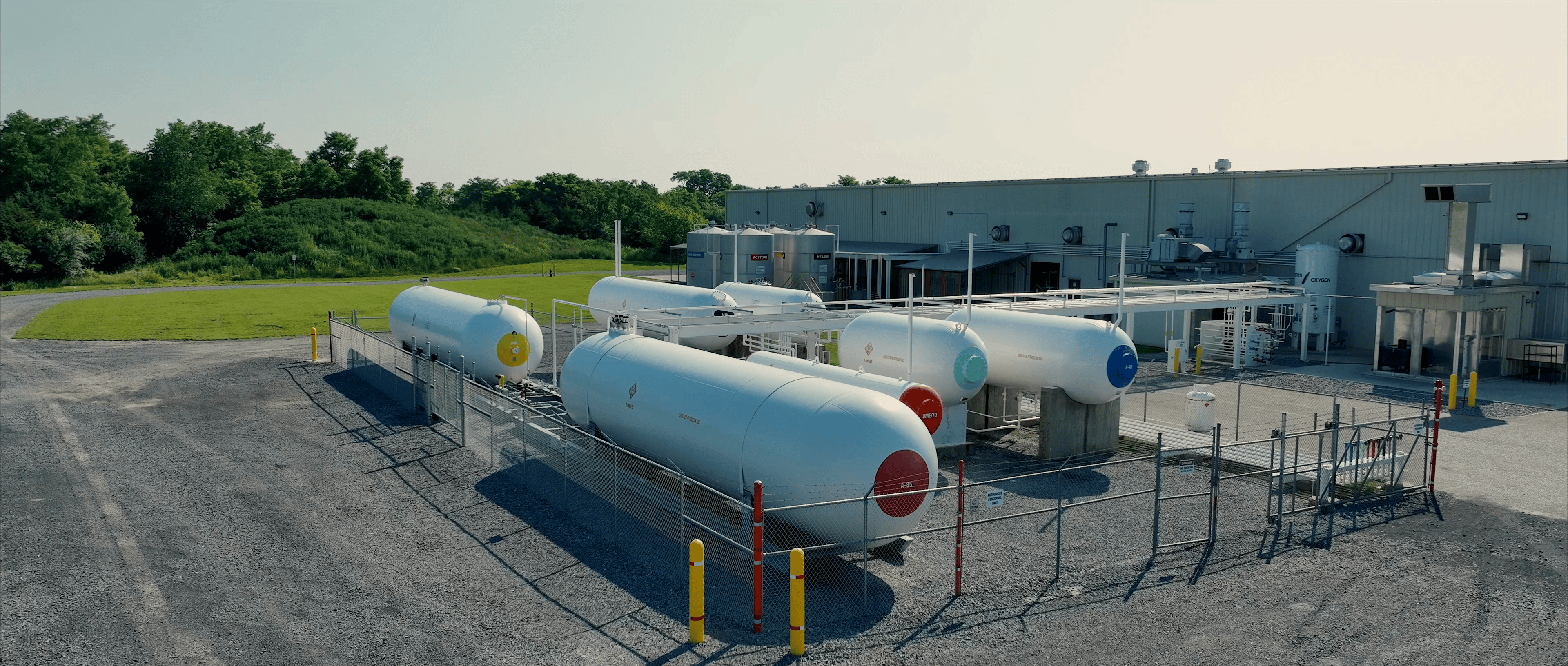
Chem-Pak offers a variety of can sizes, and our customers have the flexibility they need. Our high-speed aerosol line handles large volume runs, and our highly flexible line accommodates a variety of custom sizes, formulas, and packaging combinations.
Not all toll fillers are set up the same way. A few things worth evaluating before you commit:
Equipment range matters. A filler with limited line configurations will struggle with specialty products, non-standard container sizes, or smaller batch runs. Regulatory knowledge is non-negotiable. Aerosol products are subject to federal and state requirements around propellant content, flammability, VOC compliance, and labeling. Your toll filler should catch issues before product ships, not after. Quality systems should be transparent. Ask about batch documentation, in-process testing, and how they handle a batch that doesn't meet spec. Communication and flexibility count. Production schedules shift and volumes fluctuate. A partner who can work with that reality is worth more than one who can only run your product on their terms.
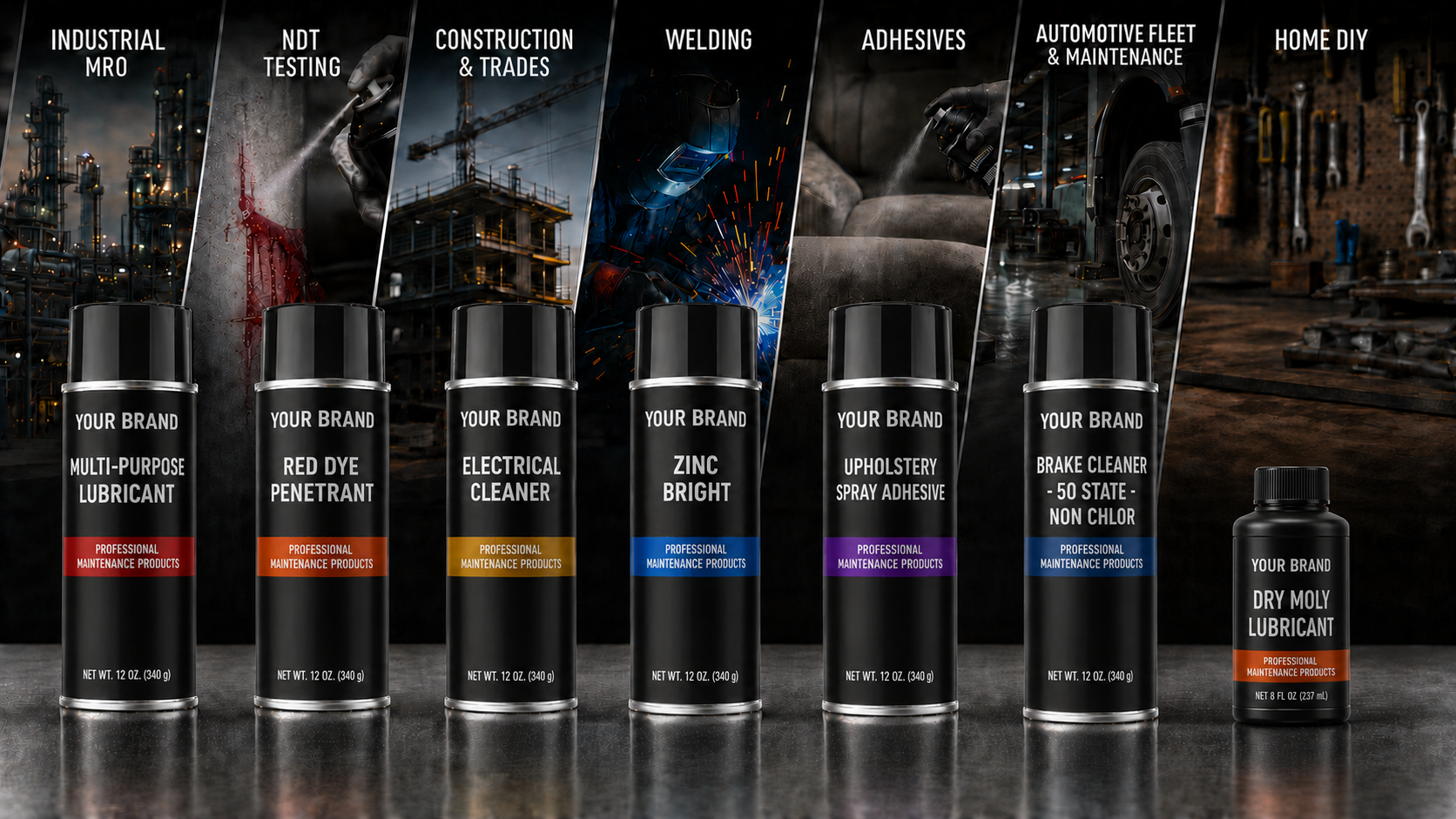
If you have a validated formula and established packaging specifications, toll filling is likely the right fit. In Chem-Pak's LaunchPath framework, this maps directly to our I Have a Formula & Packaging path. You bring the production-ready spec. We handle line validation, filling, and commercial production.
This is a common fit for established brands transferring production from an existing manufacturer, brands scaling up beyond their own filling capacity, and startups with a finished formula who aren't ready to invest in their own equipment.
If your formula isn't finalized, toll filling isn't the right starting point, and starting there will cost you time and money. Our Formula Development path is built for brands earlier in the process: working with our R&D team to develop, optimize, and validate a formula before it moves into production. Once that work is done, the path to commercial filling is a natural next step.
Not sure where you fit? Our LaunchPath overview outlines all three entry points so you can find the right starting place.
Chem-Pak has been a trusted aerosol toll filler for national brands since 1966. If you have a formula ready to run and want to understand what a partnership looks like, we're happy to talk through it.
Dave Nesselrodte is Production Manager at Chem-Pak, Inc., overseeing aerosol and liquid manufacturing operations from batching through final shipment.