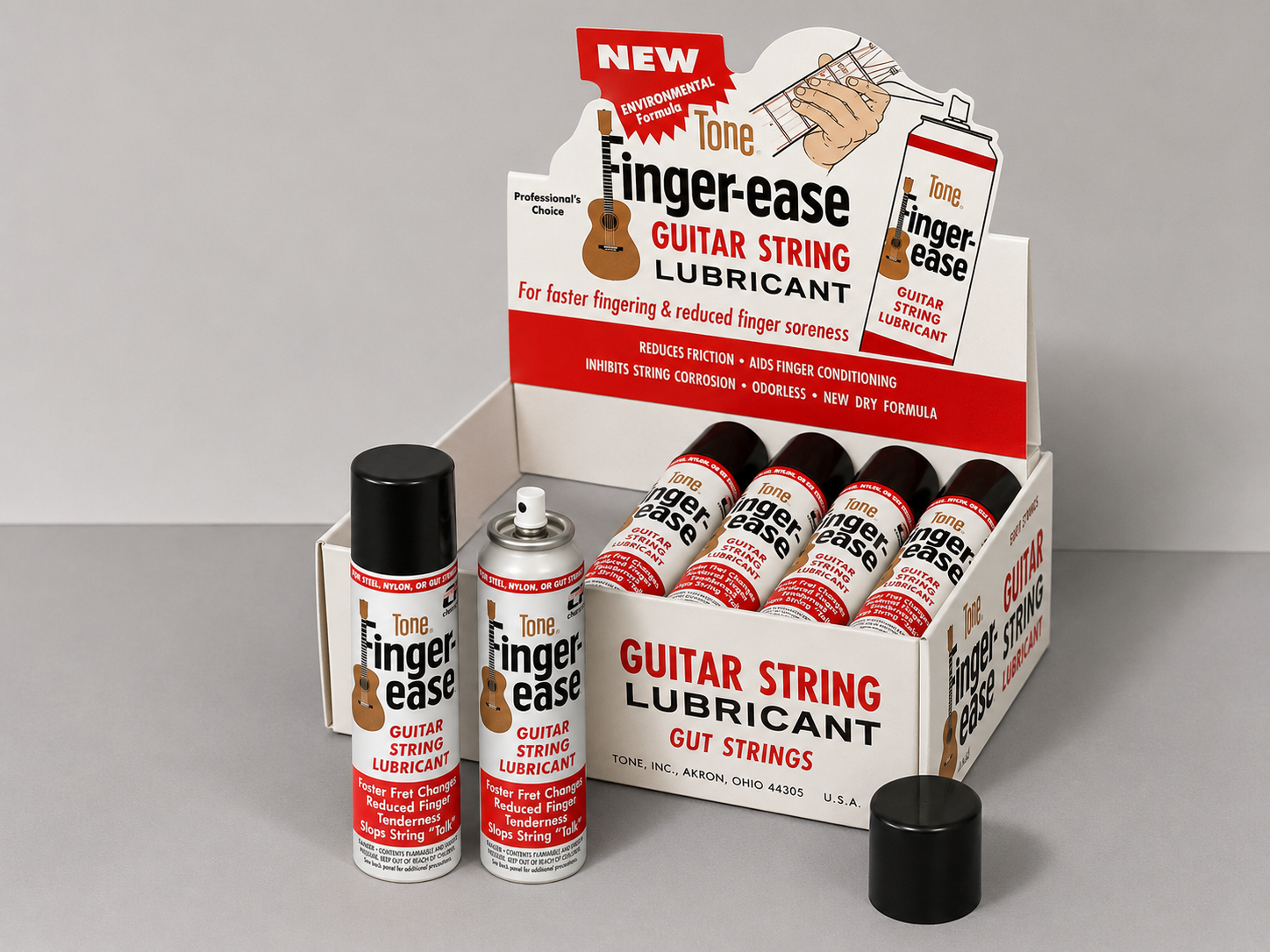


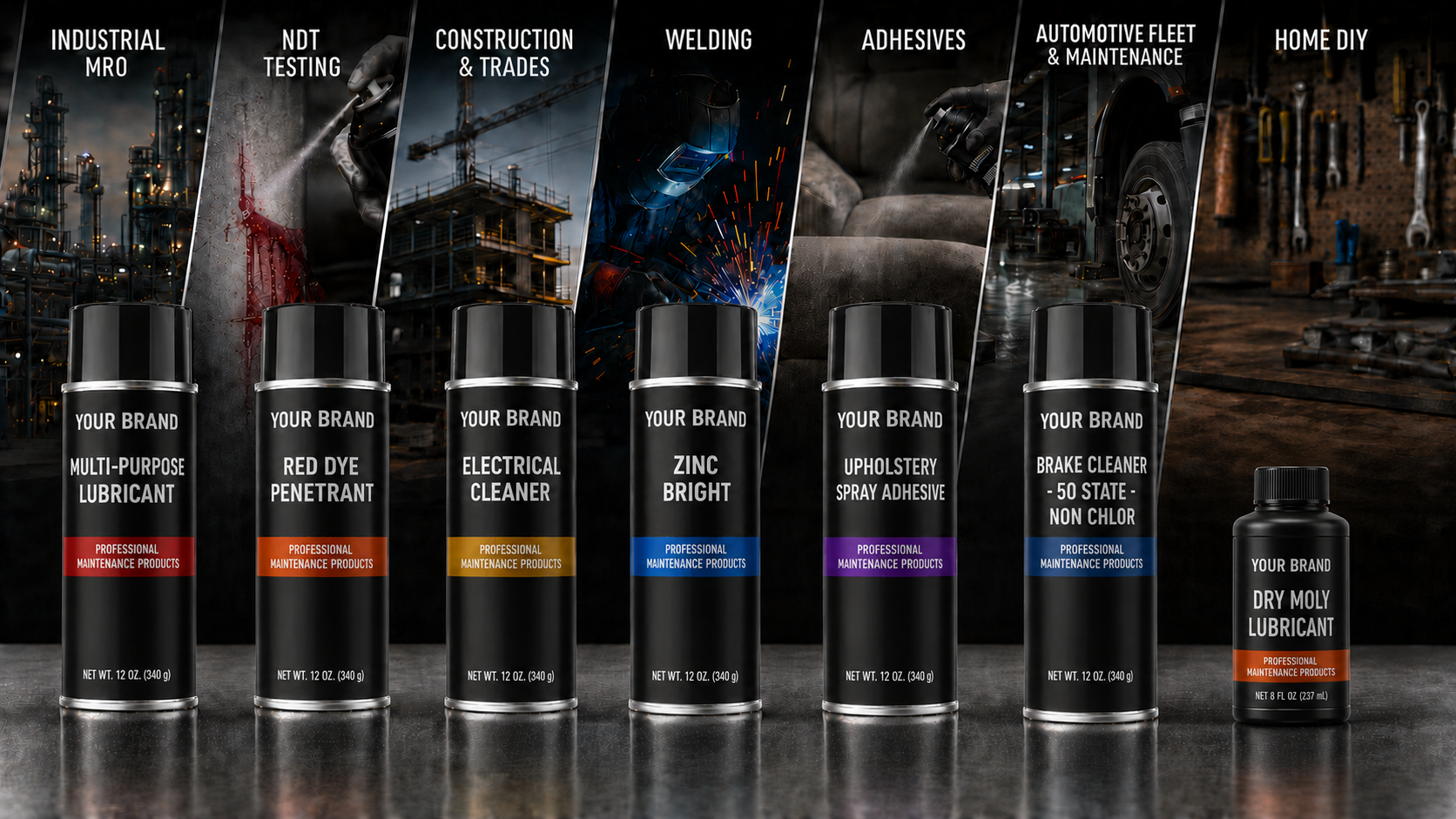
Private label is often confused with contract manufacturing, but they start from opposite ends. In contract manufacturing, you bring a validated formula and Chem-Pak runs it. In private label manufacturing, we already have the formula, the production process, and often the packaging worked out. You bring the brand, the label, and the market you're selling into.
This matters most for brands who want to move fast. Developing a new formula from scratch takes time, testing, and regulatory review. Private label lets a brand launch a proven product under its own name and label, without carrying that development timeline.
Private label makes the most sense for a few specific situations. A retailer or distributor wants to offer a product line under their own name without becoming a manufacturer themselves. A brand wants to test a new category quickly before investing in custom formulation. A company has strong brand recognition and distribution but no in-house R&D or production capability.
Chem-Pak's private label programs cover both aerosol and liquid formats across automotive, industrial, household, MRO, and specialty markets. That range matters if your brand needs more than one product category, since you're not managing separate vendor relationships for each one.
Private label moves fastest when a brand comes in with a few things settled. Brand assets and label artwork, since we handle production but the label is yours to finalize. A target retail or distribution channel, since packaging formats and regulatory requirements can shift depending on where the product sells. Any private label agreements or minimum order expectations discussed upfront, so production planning lines up with your launch timeline.
What you don't need is a formula, a production line, or in-house regulatory expertise. That's the entire point of private label.
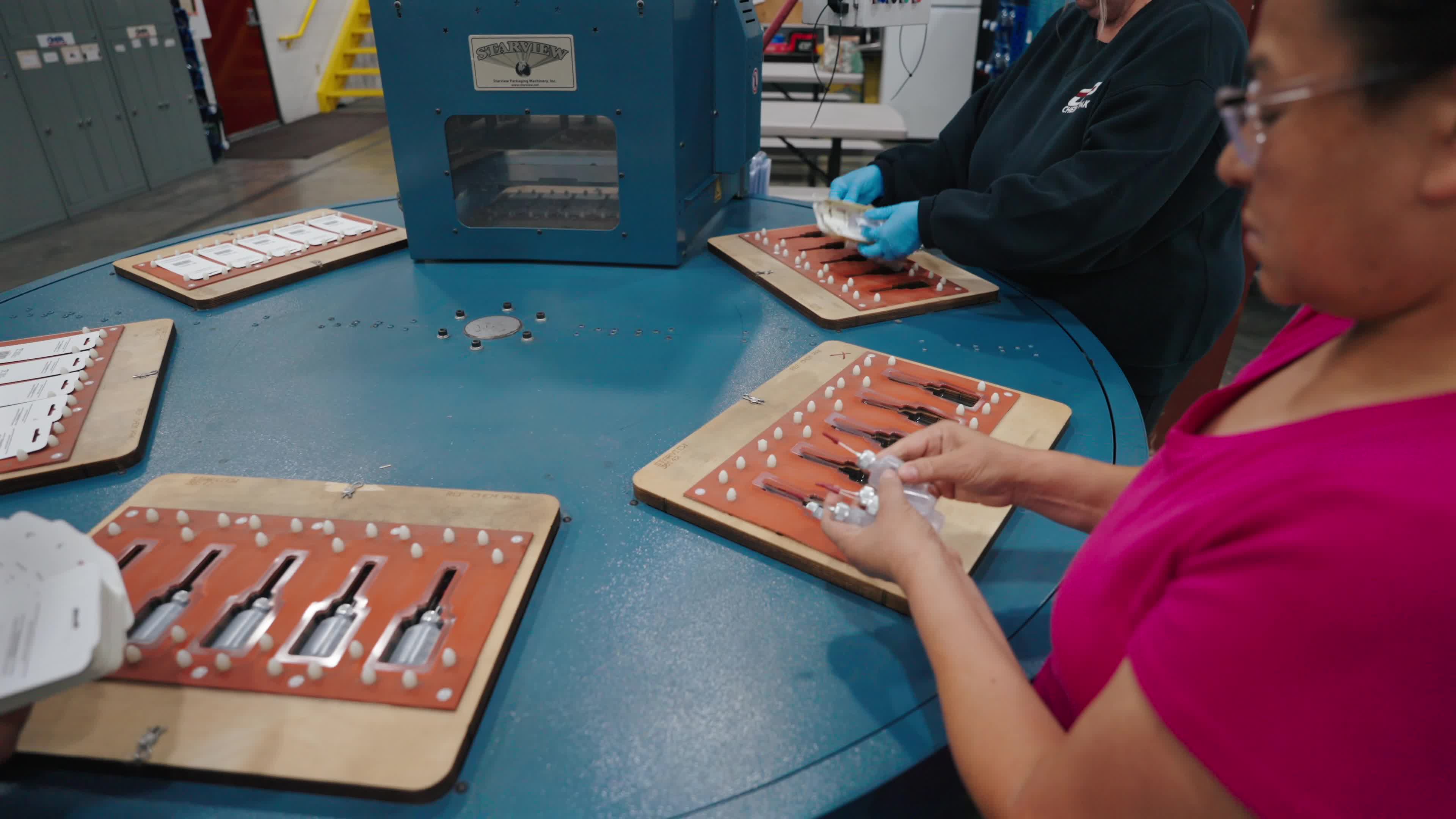
A lot of private label launches also need retail-ready packaging: labeling, shrink sleeving, cartoning, or multi-packs, depending on where the product sells. Chem-Pak handles that kind of specialty packaging and kitting alongside private label production, so a brand isn't coordinating a separate vendor for that last step before a product hits shelves. We'll cover kitting and assembly in more depth in a future post, but it's worth knowing this is part of the same conversation, not a separate one.
If you're ready to explore a private label product, our Private Label Programs page outlines available categories and how the process works. If you're not sure whether private label or custom formula development fits your brand better, our LaunchPath overview walks through all the entry points so you can find the right starting place.
What's the difference between private label and contract manufacturing?
Private label means the manufacturer already has the formula and product ready to produce under your brand. Contract manufacturing means you bring your own validated formula for the manufacturer to run.
Does Chem-Pak offer private label for both aerosol and liquid products?
Yes. Chem-Pak's private label programs cover both formats across automotive, industrial, household, MRO, and specialty markets.
What do I need to have ready to start a private label product?
Brand assets and label artwork, a target retail or distribution channel, and a general sense of order volume and timeline. Chem-Pak handles the formula, production, and packaging.
Can private label products include custom packaging or kitting?
Yes. Chem-Pak's specialty packaging and kitting services can be paired with private label production for retail-ready presentation.
Mike Duane is Vice President and General Manager at Chem-Pak, Inc., a third-generation leader focused on operations, customer partnerships, and bringing products from concept to commercialization.